
Stone Surveys

Professional stone surveys across Central Scotland delivered by experienced RICS Surveyors
Over 30 Years of Experience
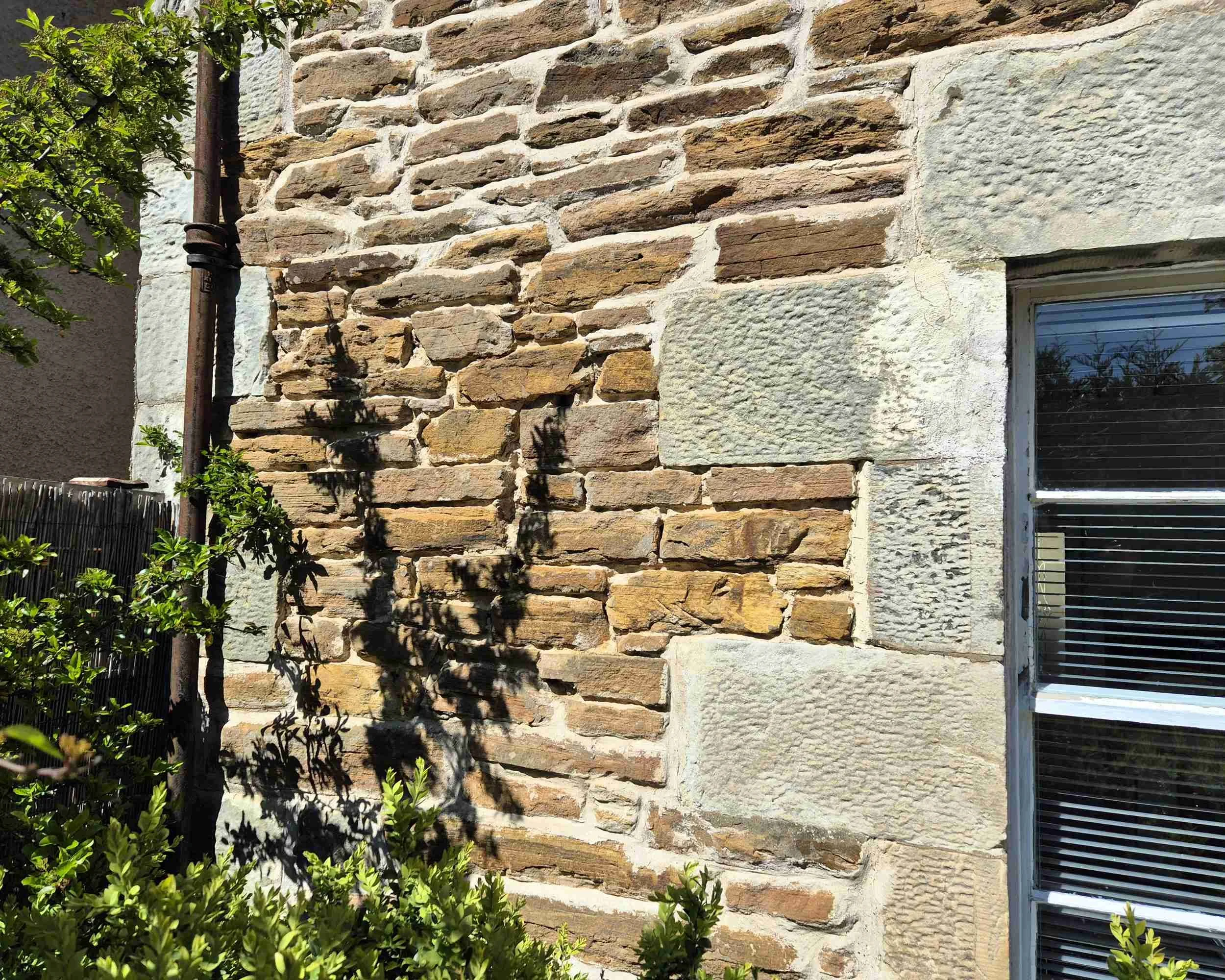
Stone Condition Surveys
Our Stone Condition Surveys provide a comprehensive assessment of buildings and structures constructed from natural stone, helping property owners, custodians, contractors, and other building professionals make informed decisions about maintenance, repair, and conservation. These surveys are particularly beneficial where specialist masonry expertise is required or where access to elevated stonework would otherwise be difficult or costly.
Whether you are responsible for a private residence, commercial property, church, historic building, tower, monument, or memorial, our surveys provide a clear understanding of the condition of the stonework and identify any issues requiring attention, supporting effective management and long-term preservation.
Inspection and Assessment
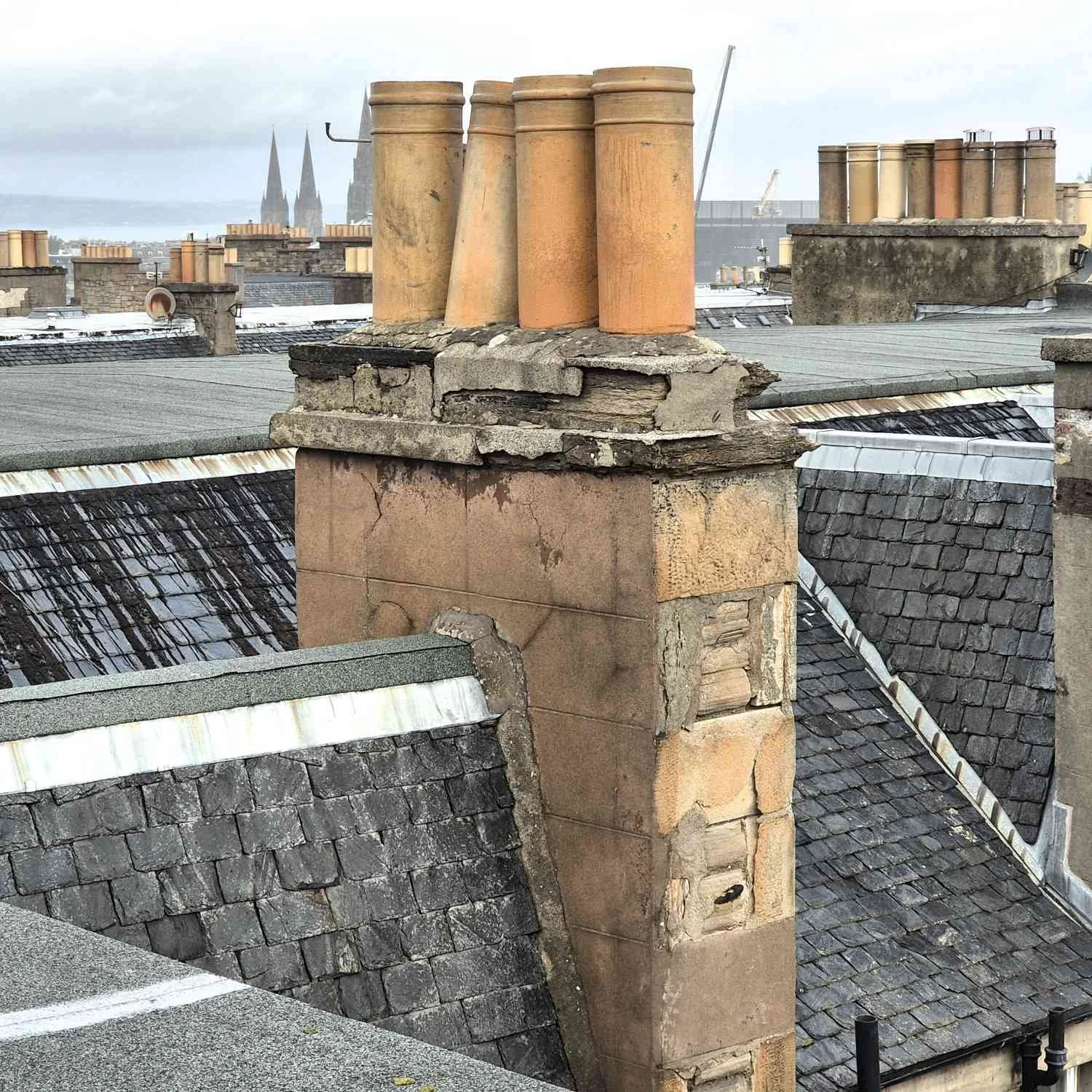
We carry out detailed inspections of stone facades, mortar joints, chimney stacks, parapets, decorative masonry, monuments, memorials, and other stone elements.
The survey assesses the condition of both stone and mortar, recording evidence of weathering, decay, moisture ingress, structural movement, previous repairs, and other defects affecting performance or appearance. Particular attention is given to areas showing signs of deterioration or failure, allowing a thorough understanding of the overall condition of the masonry. The information gathered provides a reliable basis for maintenance planning, repair specification, and future conservation works.
Risks & Defects
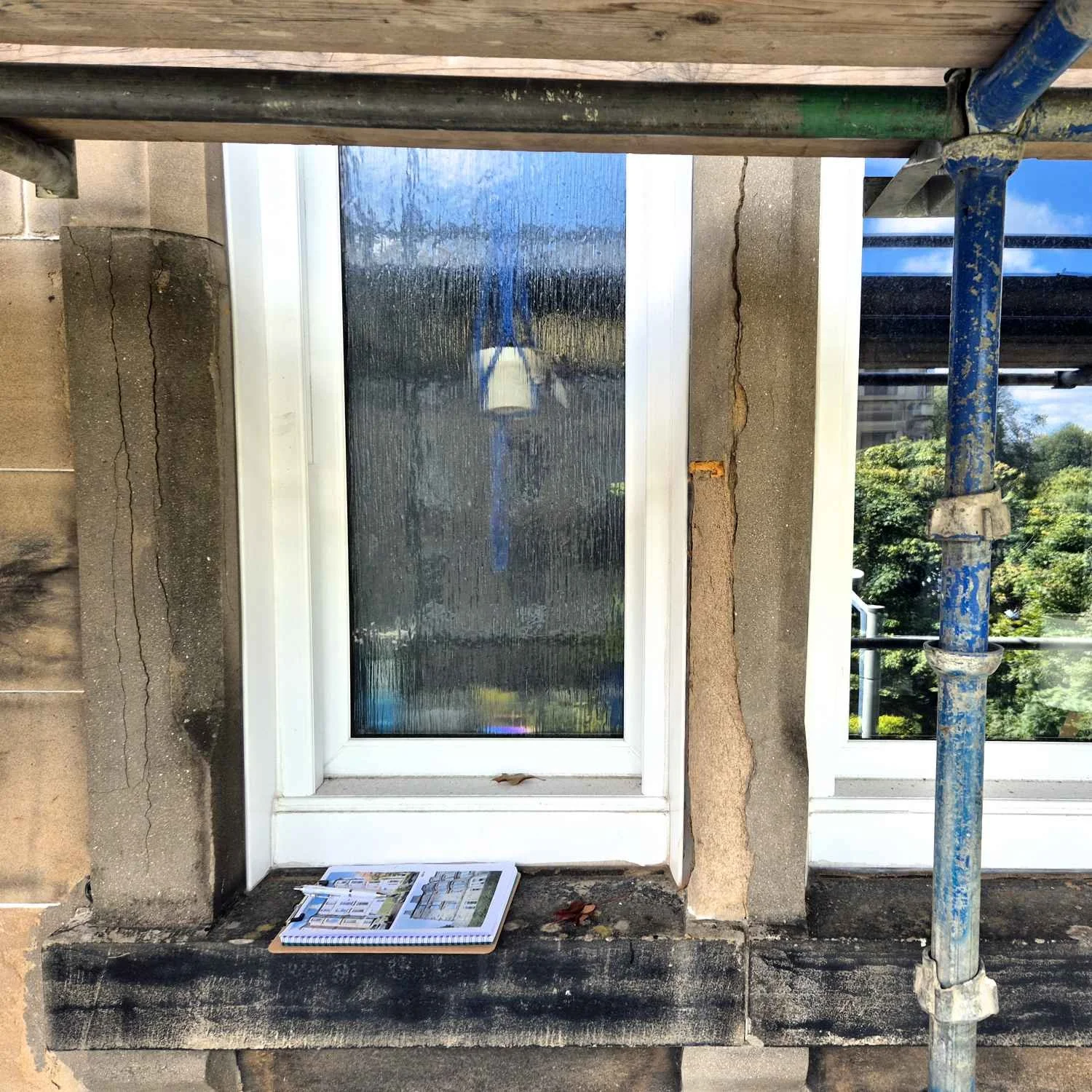
A key part of every survey is identifying defects that may present a risk to people, property, or the structure itself. Loose, fractured, displaced, or unstable masonry is highlighted as a priority, enabling appropriate action to be taken where necessary.
In addition to recording defects, we investigate their likely causes to provide a better understanding of the problems affecting the building. This may include assessing stone decay, dampness, mortar failure, cracking, biological growth, salt contamination, and other forms of deterioration. Understanding the causes of defects helps ensure that any repair work addresses the underlying issues rather than simply treating the symptoms.

Survey Reports
Following the inspection, a detailed report is provided, supported by photographs, observations, and sketches where appropriate. The report records the condition of the masonry, highlights areas of concern, and documents any defects identified during the survey. Recommendations for repair, maintenance, and further investigation are provided where necessary, together with guidance on priorities and timescales for action.
Where defects present an elevated risk to people, property, or the fabric of the structure, these are clearly identified as a matter of priority. Reports are presented in a clear and accessible format, providing clients and building professionals with the information needed to plan maintenance, specify repairs, and manage stone assets effectively.
Professional Expertise You Can Trust
Natural Stone Expertise
With over 30 years of experience in traditional buildings, we provide specialist advice informed by a detailed understanding of stone masonry, lime mortars, and historic construction.

RICS Surveyor
All surveys are undertaken by a RICS qualified surveyor, providing independent, impartial advice and professional assessment to help clients make informed decisions.

Drone Inspections
Using drone technology, we inspect difficult to reach masonry elements, recording high-resolution images that help identify defects, deterioration, and maintenance requirements.
Elevated Surveys
Conservation Advice
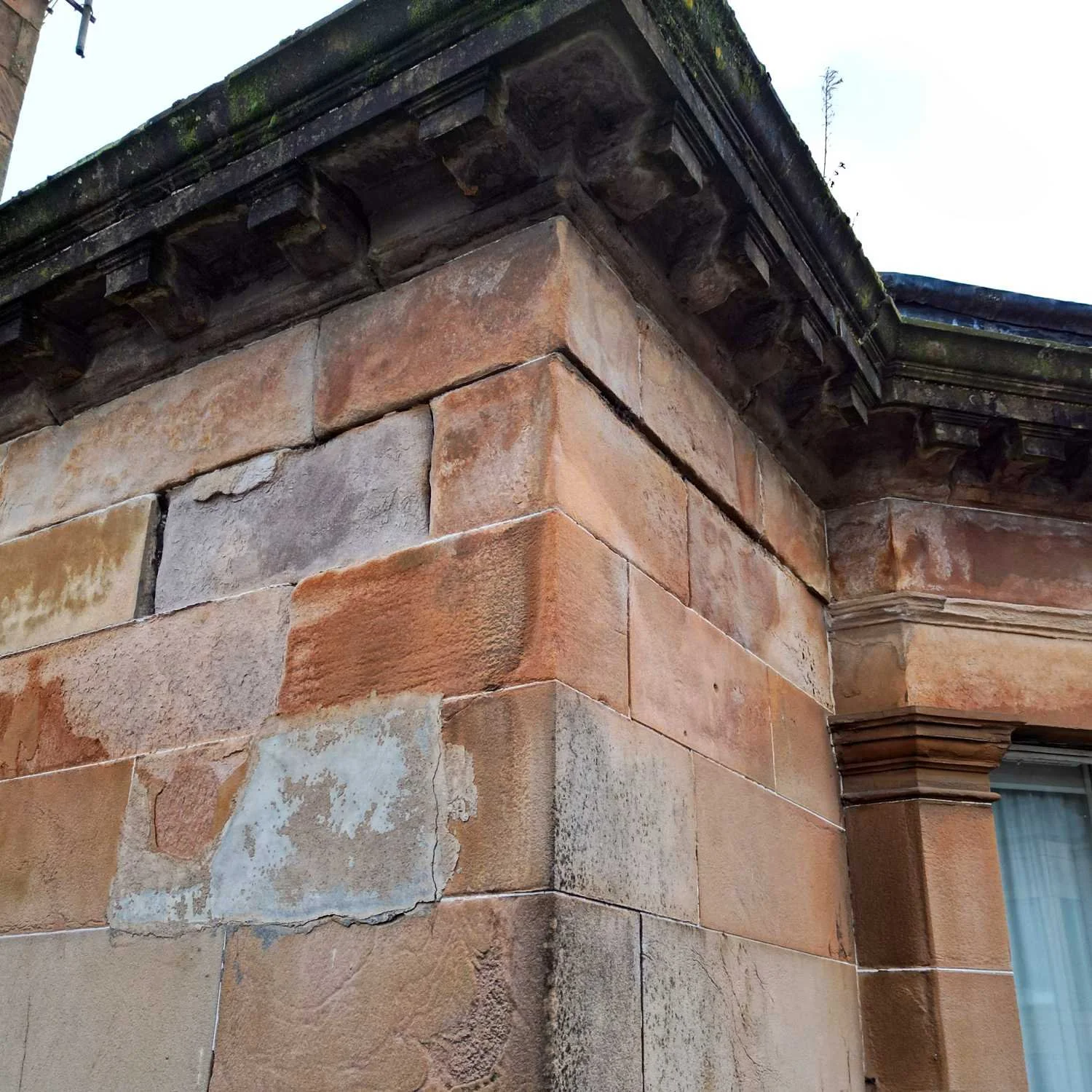
Surveys are carried out by an experienced stonemasonry specialist with extensive practical knowledge of historic building conservation, repair, and restoration. With a thorough understanding of traditional construction methods, building stone, and lime mortars, we provide informed and independent assessments based on hands-on experience. This expertise enables the accurate identification of masonry defects and the recommendation of appropriate repair solutions.
For listed and historic buildings, recommendations are made with careful consideration of the building's architectural character, historic significance, and existing fabric. Repair approaches are selected to ensure compatibility with traditional materials and construction techniques, helping to maintain the integrity of the structure while supporting its long-term conservation.
Drone Surveys
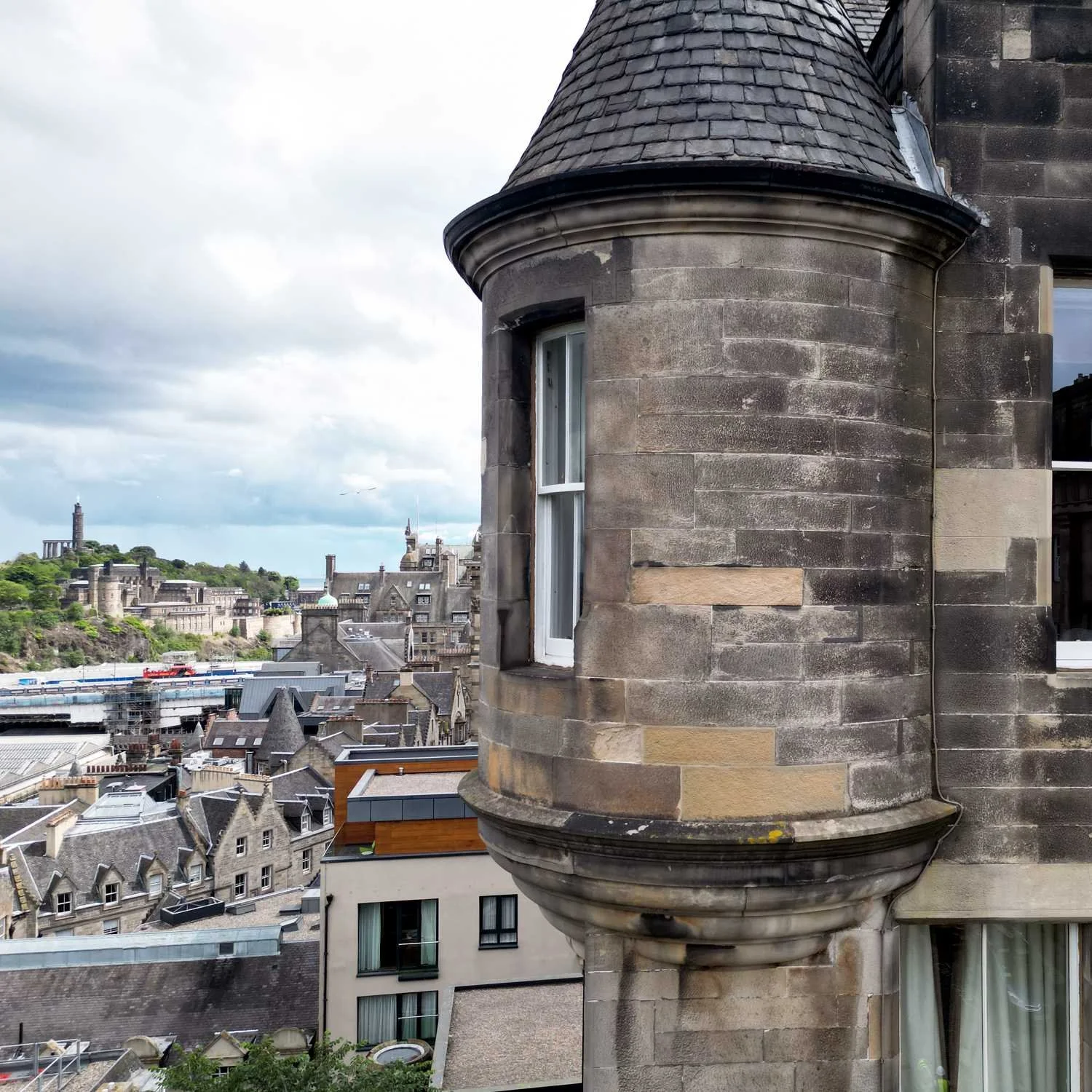
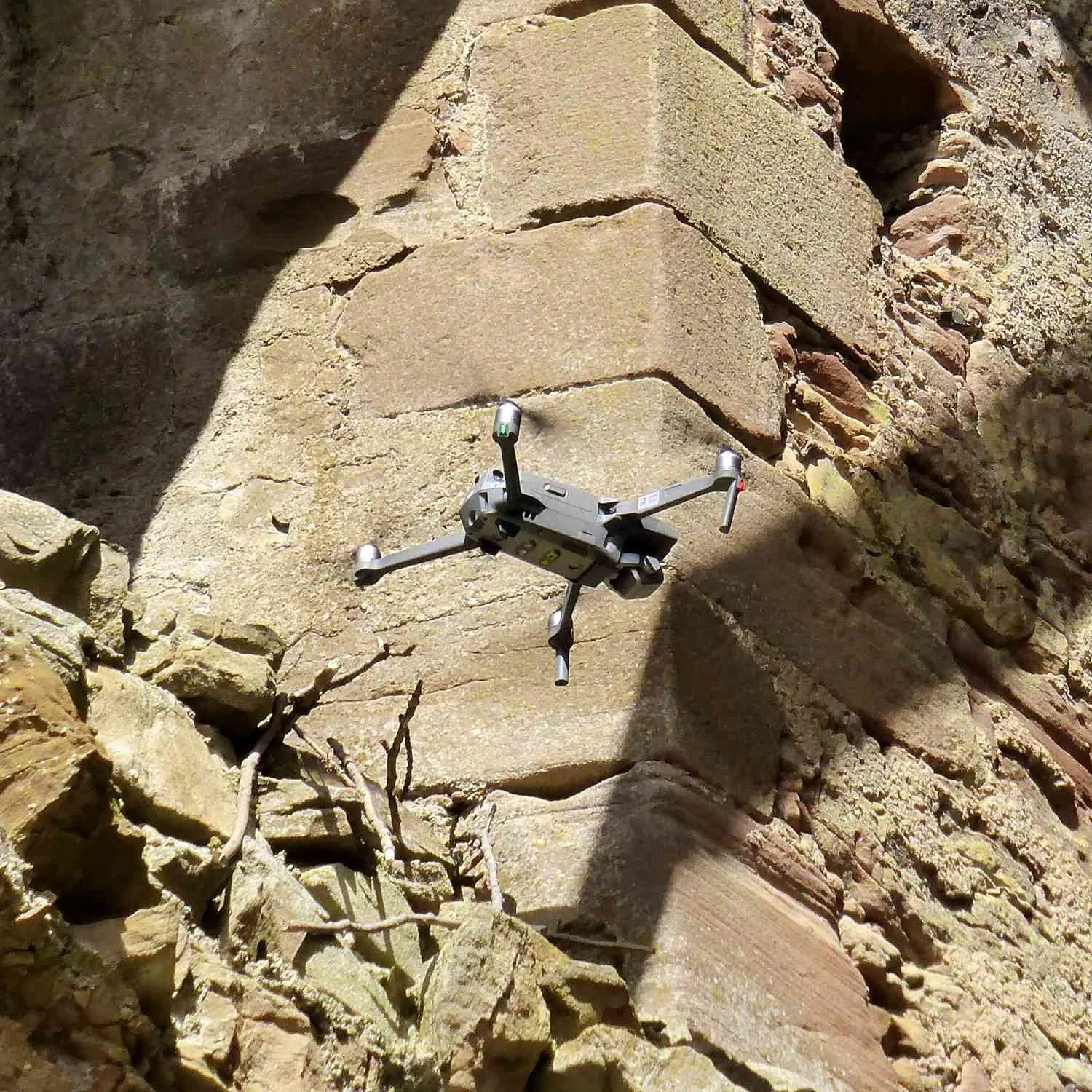
Drone assisted inspections offer a safe and efficient method of examining difficult to access areas such as roofs, towers, chimney stacks, parapets, spires, and other elevated masonry features. High-resolution aerial imagery provides detailed visual information, allowing defects to be identified and assessed without the immediate need for scaffolding or other specialist access equipment.
Drone surveys can reveal issues such as cracking, stone decay, open joints, vegetation growth, displaced masonry, and failed repairs. This approach reduces disruption and can significantly lower inspection costs while providing valuable information for condition assessment, maintenance planning, and the prioritisation of future repair works.
“Very comprehensive and useful survey. Would definitely recommend, especially for heritage properties”
Frequently Asked Questions
-
The cost of a stone survey depends on several factors, including the size and complexity of the building or structure, accessibility, and the scope of the inspection required. Please contact us to discuss your requirements and obtain a tailored quotation.
-
A stone survey may be appropriate where deterioration, cracking, spalling, erosion or moisture related problems are present, or where repairs, alterations or maintenance works are being considered.
-
Yes. We regularly inspect traditional sandstone properties and understand the common defects associated with historic masonry construction and traditional building materials.
-
In many cases, yes. The survey will assess the condition of the stonework and identify likely causes of deterioration, such as moisture ingress, salt contamination, inappropriate repairs, weathering or defective rainwater goods.
-
Stone deterioration can occur for various reasons, including prolonged moisture exposure, freeze-thaw action, salt crystallisation, environmental pollution or the use of inappropriate repair materials. The survey will identify the most likely causes and recommend appropriate remedial action.
-
Yes. Stone surveys can be undertaken on boundary walls, garden walls, retaining walls and other masonry structures to assess condition, stability and repair requirements.
-
Yes. Where deterioration is identified, the survey will consider whether repair, conservation or replacement is likely to be the most appropriate solution.
-
Yes. The findings can help owners understand repair priorities, budget for future works and adopt a planned approach to maintenance.
-
Yes. Stone surveys can be carried out on listed buildings, churches, monuments and other historic structures, with recommendations that take account of traditional construction and conservation considerations.
-
You will receive a written report outlining the condition of the stonework, identified defects, likely causes of deterioration, supporting photographs and recommendations for repair, maintenance or further investigation.